
 Home
Home About Us
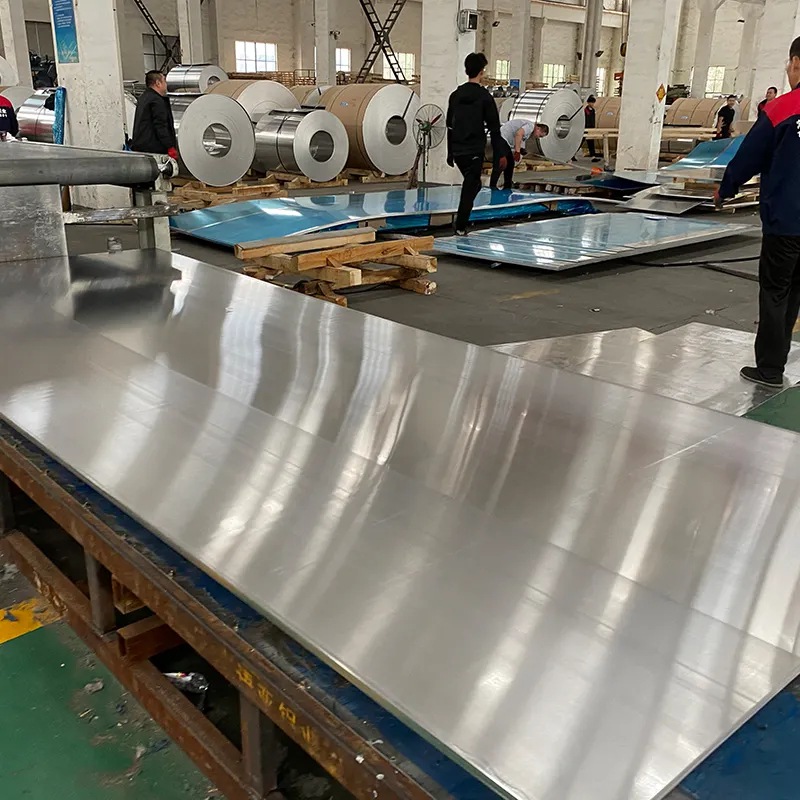
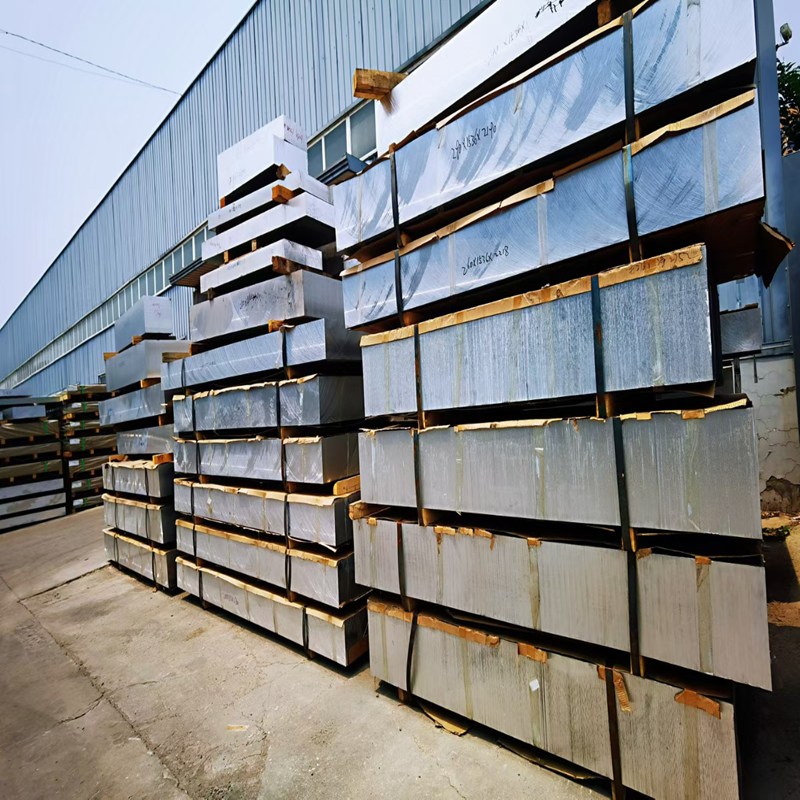
Aluminum Plate
Product Overview
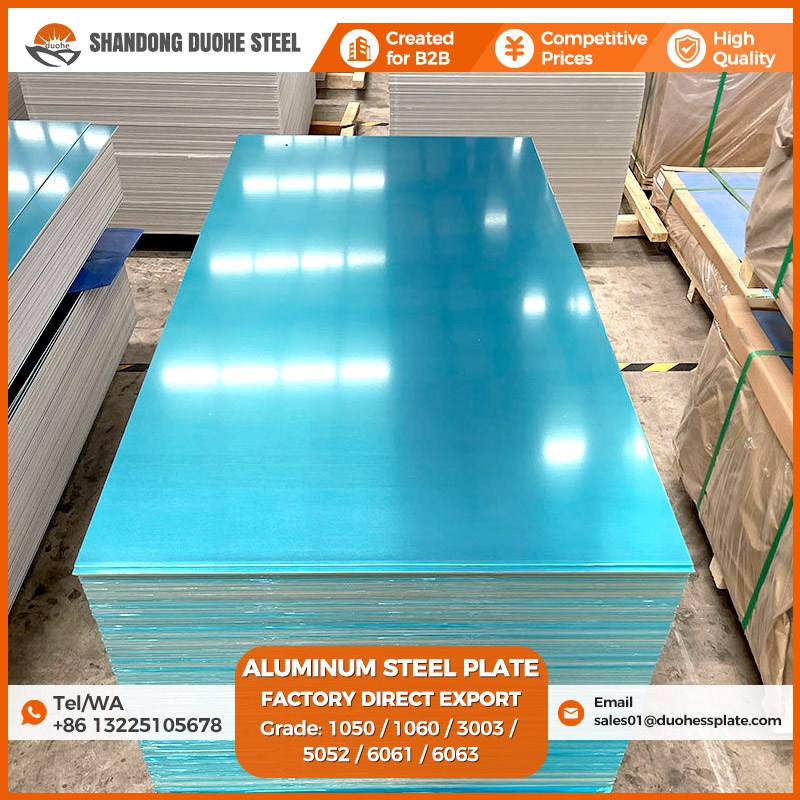
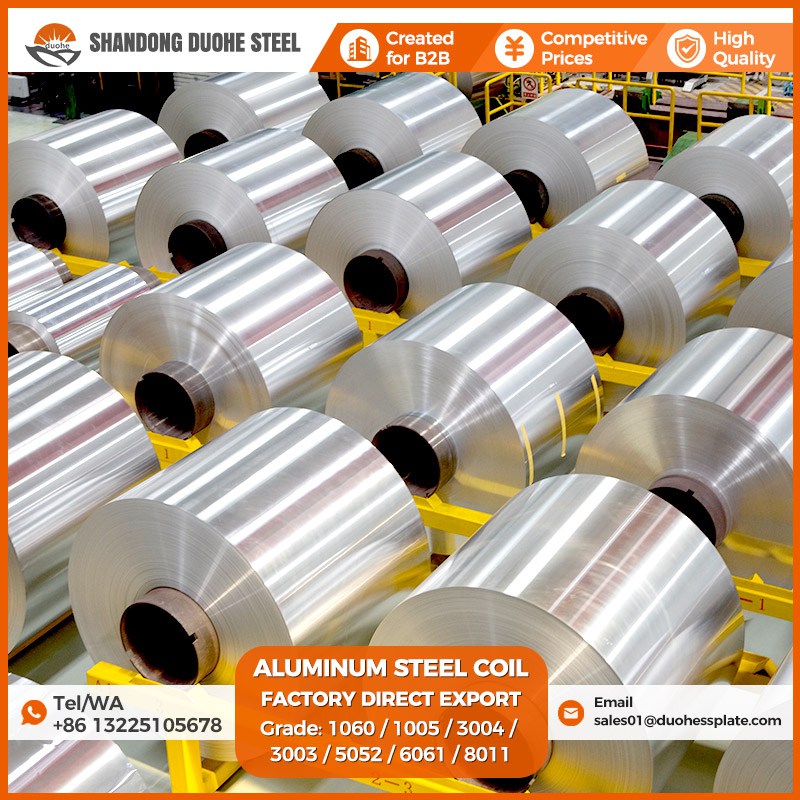
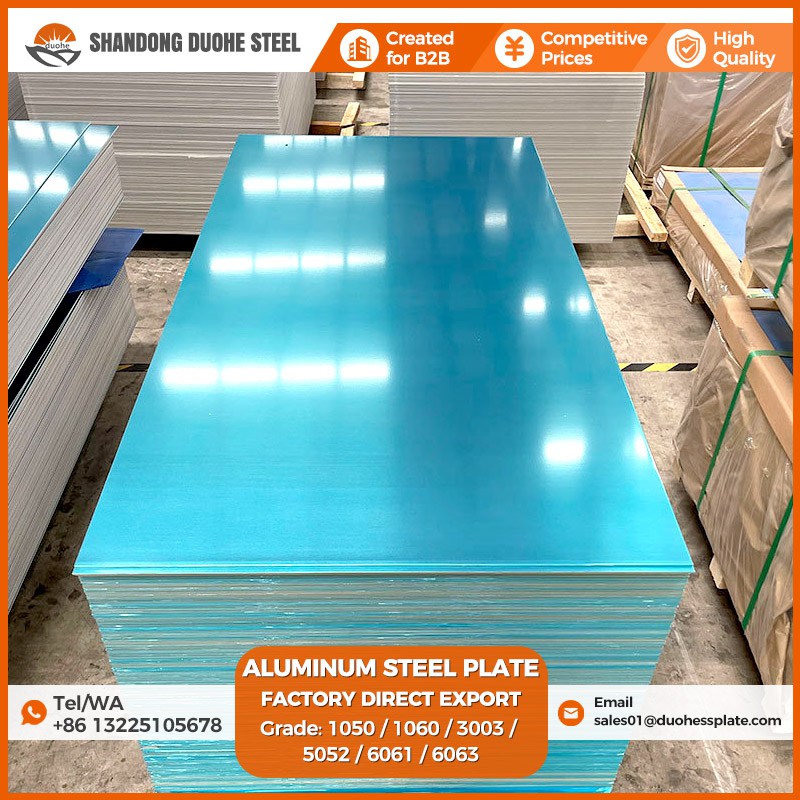
Aluminum sheet/plate is lightweight, corrosion-resistant and highly conductive.
It features good formability, easy processing and long service life, widely used in construction, transportation and manufacturing.
Standard Dimensions and Tolerances Table
| Parameter | Sheet Range | Plate Range | Custom Options |
| Thickness | 0.15- 6.0 mm | 6.0 - 300 mm | Up to 500 mm available for specialized applications |
| Width | 1000- 2200 mm | 1000-2200 mm | Up to 2500 mm available |
| Length | 2000- 10000 mm | 2000- 10000 mm | Up to 16000 mm available |
| Thickness Tolerance | ±0.05(precision) to ±0.15 (standard) | Per ASTM B209 / EN 485 | Tighter tolerances available for critical applications |
| Flatness Tolerance | Per ASTM B209 / EN 485 | Per ASTM B209 / EN 485 | Enhanced flatness for precision fabrication |
Mill Test Certificate (MTC) is available for each batch
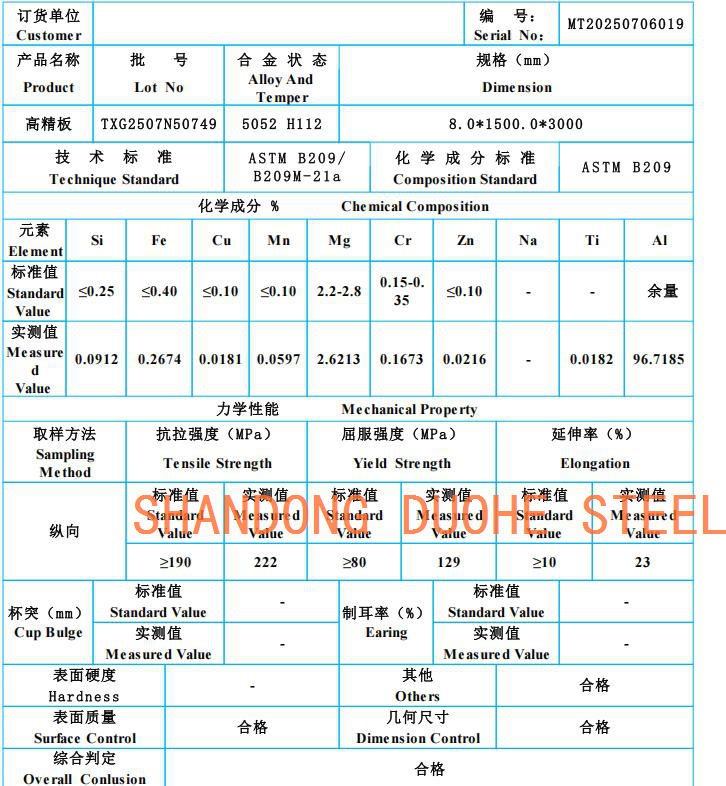
Grade Selection Recommendations
| Application Environment | Recommended Grade | Rationale |
| General purpose, moderate strength | 3003, 6061 | Best balance of cost, availability, and performance |
| Marine/Coastal (saltwater exposure) | 5052, 5083, 5086 | Superior corrosion resistance in marine environments |
| High formability requirements | 1100, 3003 | Excellent ductility for deep drawing and complex shapes |
| Structural/Load-bearing | 6061, 6082, 7075 | High strength-to-weight ratio for structural applications |
| Electrical/Thermal conductivity | 1050, 1060, 1100 | High purity ensures maximum conductivity |
| Aerospace/Defense | 2024, 7075, 6061 | Certified grades with guaranteed mechanical properties |
| Architectural/Decorative | 3003, 6061 with various finishes | Good formability plus excellent surface finish options |
Surface Finishes and Protection
The surface finish of aluminum sheet significantly impacts both aesthetics and functional performance. Below are the available options.
Surface Finish Options Table
| Finish Type | Description | Features | Typical Applications |
| Mill Finish | Natural finish after rolling, no additional processing | Non-uniform reflectivity, slightly rough surface with matte metallic sheen | Internal components, applications where appearance is secondary |
| Anodized Finish | Electrochemical process thickening natural oxide layer | Enhanced corrosion resistance, increased hardness, allows coloring, wear-resistant | Architectural facades, consumer electronics, cookware, sporting goods |
| Brushed Finish | Mechanically polished to create uniform satin texture | Linear texture, reduced reflectivity, decorative satin appearance | Interior fixtures, appliance panels, decorative trim, automotive trim |
| Mirror/Polished Finish | Highly polished to reflective, mirror-like surface | Smooth, glossy, highly reflective | Decorative panels, lighting reflectors, signage |
| Powder Coating | Electrostatic application of dry powder, cured under heat | Durable, colorful, resistant to chipping and fading, wide color range | Exterior cladding, architectural elements, consumer products |
| Embossed Finish | Rollers emboss raised pattern on surface | Adds visual appeal, increases strength and rigidity, anti-slip properties | Flooring, tread plates, decorative panels |
| Chequered/Checker Plate | Raised hatch marks on one side (typically 1.5mm height) | Excellent anti-slip properties, conceals surface damage, impact-resistant | Loading bays, ramps, walkways, vehicle flooring |
| Perforated Sheet | Regular pattern of holes punched through sheet | Aesthetic appeal, light transmission, drainage, ventilation | Architectural screens, sun shades, industrial sieves, drainage covers |
| Sandblasted Finish | Surface roughened using high-speed abrasive blasting | Uniform matte texture, excellent paint adhesion | Pre-treatment for painting, decorative applications |
FAQ (Frequently Asked Questions for Aluminum Plate Buyers)
We have sorted out the most common questions from global aluminum plate buyers, providing clear and practical answers to help you solve procurement doubts efficiently and ensure the products meet your project requirements:
Q1: What is the difference between 5052 and 6061 aluminum plates? Which one should I choose for my project?
A1: Both are mainstream aluminum alloy plates, mainly differing in composition and performance. 5052 (aluminum-magnesium alloy) has excellent corrosion resistance and ductility, suitable for marine, packaging, and decorative applications (e.g., ship parts, food packaging). 6061 (aluminum-silicon-magnesium alloy) has higher strength and good weldability, suitable for structural parts, automotive components, and engineering projects (e.g., curtain walls, car body parts). For corrosion-resistant needs, choose 5052; for high-strength structural needs, choose 6061.
Q2: Can the aluminum plates be customized according to my project’s special specifications (e.g., non-standard thickness, width, or surface treatment)?
A2: Yes. We support full customization of thickness (0.1mm-600mm), width (500mm-6000mm), length (1000mm-15000mm), temper state, and surface treatment (anodizing, powder coating, etc.) according to your project drawings or technical requirements. Our technical team will provide professional advice to ensure the customized products meet your application needs.
Q3: How to ensure the aluminum plates do not get scratched or oxidized during transportation?
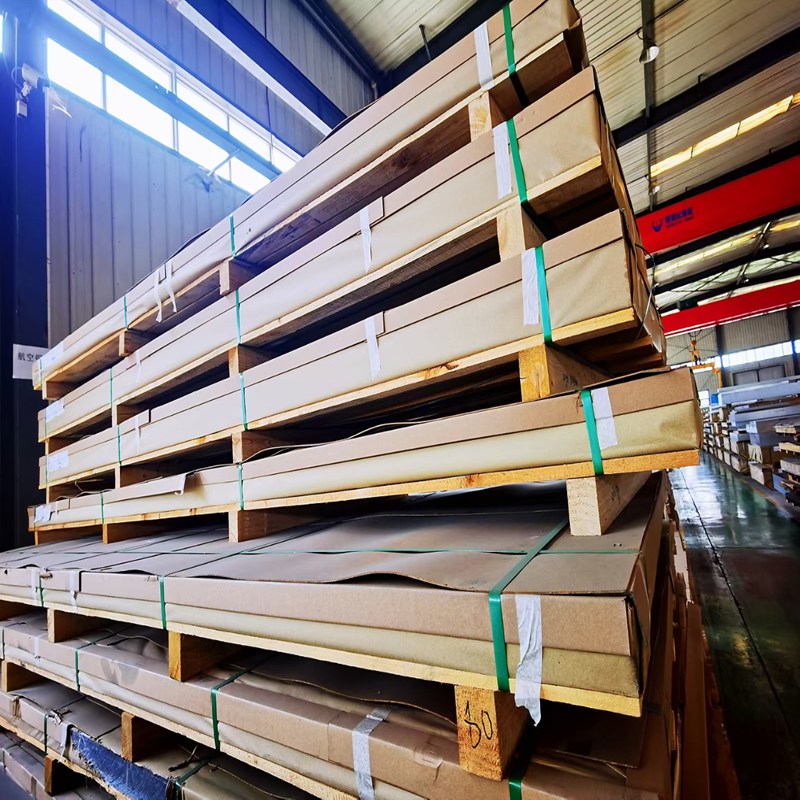
A4: We adopt professional packaging: each plate is covered with a PE film to prevent scratches, and packed in wooden pallets or steel frames fixed with anti-collision buffers. For long-distance sea transportation, we add moisture-proof film and waterproof covers to avoid oxidation caused by moisture, ensuring the plates arrive in good condition.
Contact our sales team today for a quotation or to discuss your project requirements. We are committed to providing high-quality aluminum sheets that meet your exact specifications and delivery deadlines.
Your trusted partner in aluminum steel solutions.For further technical information, pricing, or customization, please contact our sales team:
Tel/WA/Wechat: +86 13225105678
Email: sales01@duohessplate.com
Previous:no more
Next:no more
Leave a Message
Your voice matters! Whether you have a brilliant idea, valuable feedback, a pressing question about our products or services, or simply want to say hello – we genuinely want to hear from you.