
 Home
Home About Us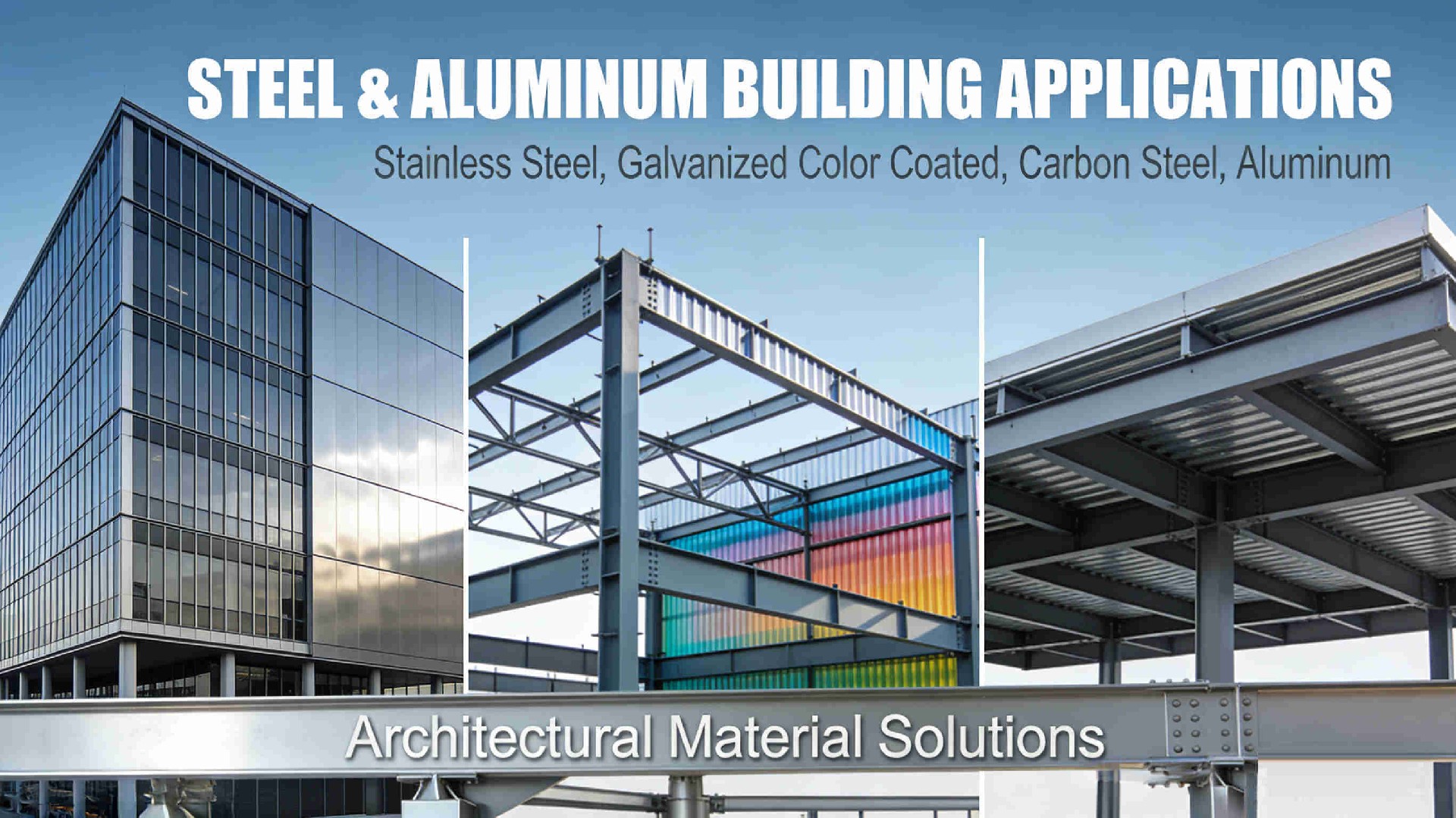
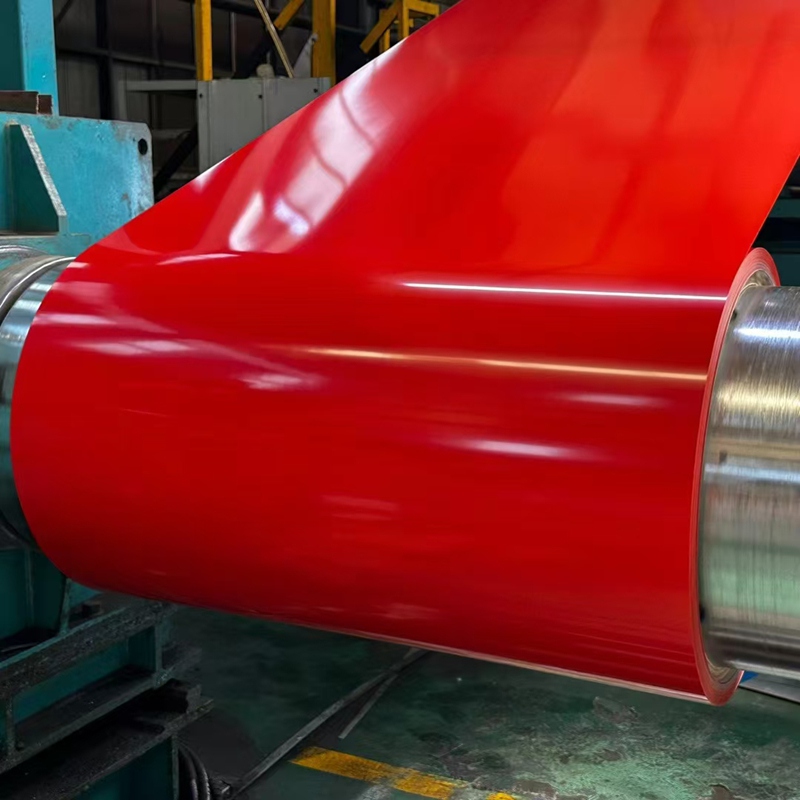
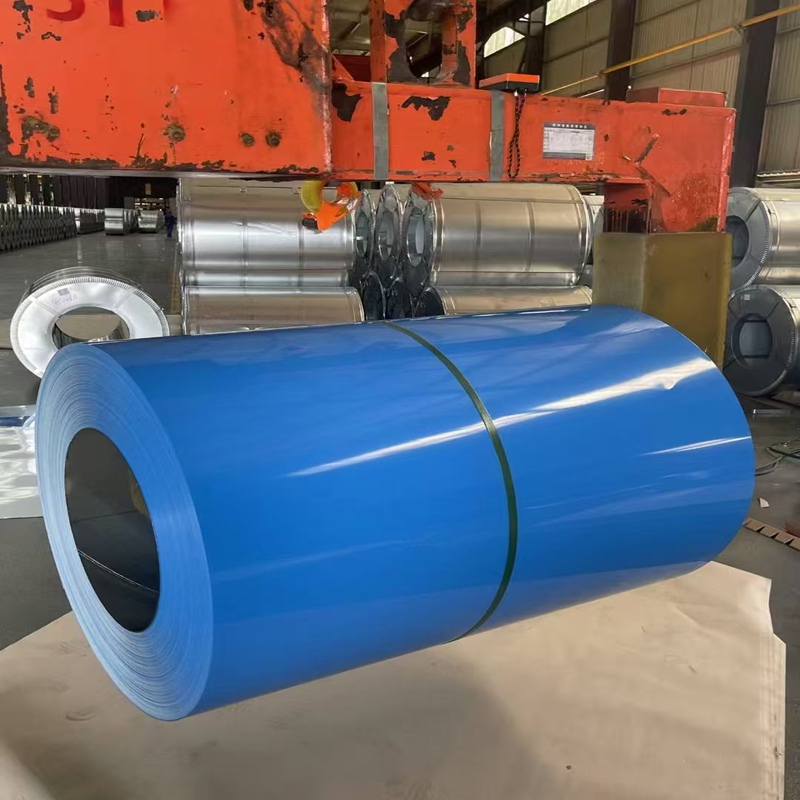
Pre-painted Galvanized Steel Coil (PPGI)
Product Overview
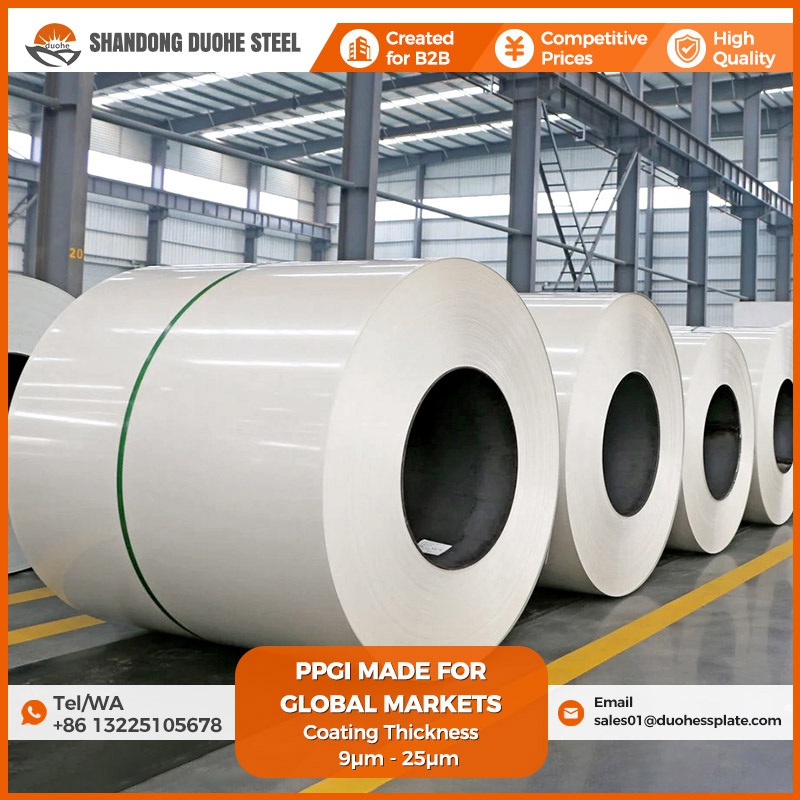
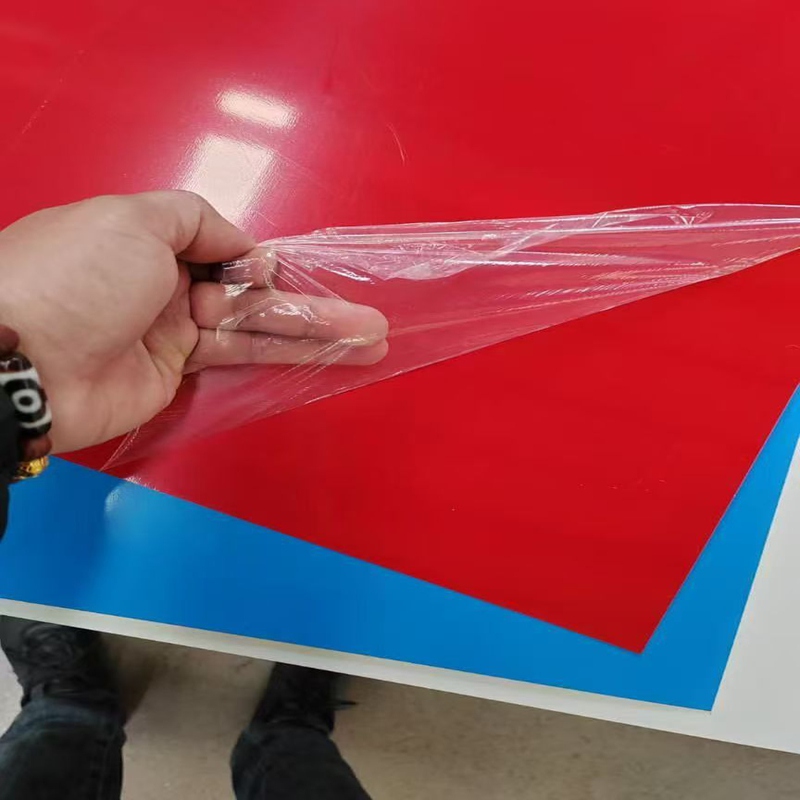
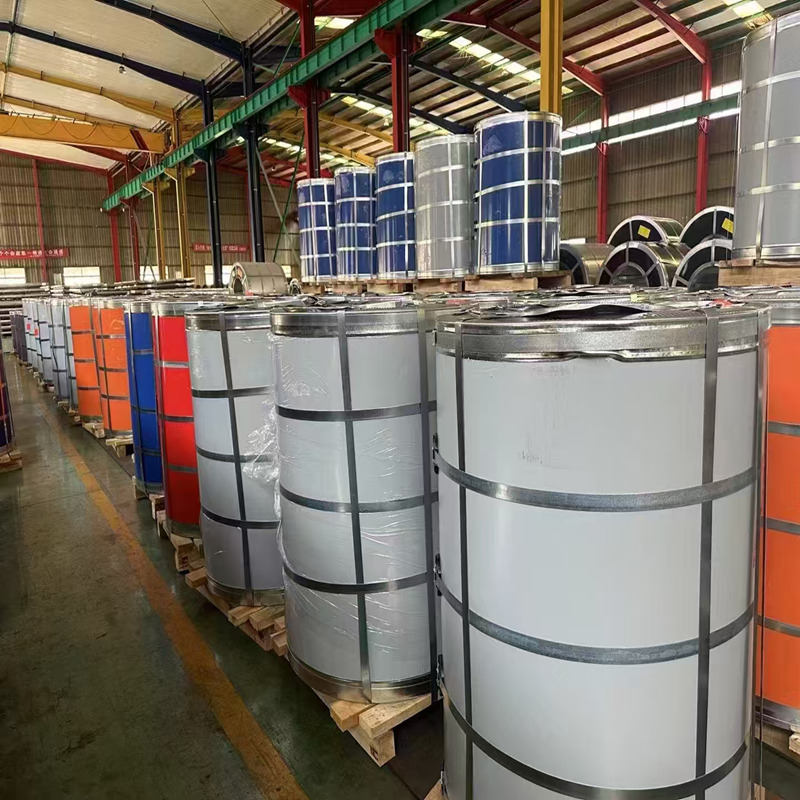
Our Prepainted Galvanized Steel Coil (PPGI) – also known as color coated steel – is a high-performance composite material that combines the strength of galvanized steel with the aesthetic appeal and protective benefits of advanced paint systems . Produced through a continuous process, high-quality galvanized steel (GI) or galvalume steel (GL) is coated with multiple layers of primer and finish paint in a controlled factory environment .
Quick Specification Table (Typical Options)
| Item | Typical Range / Options | Buyer Notes |
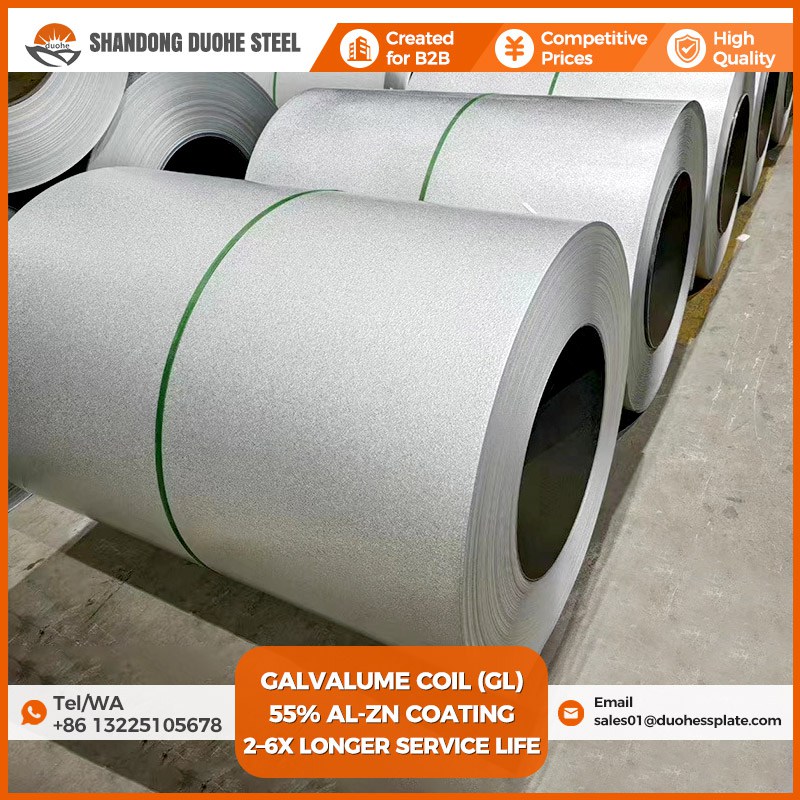
| Substrate / base metal | Galvanized steel (GI): HDG coil (hot‑dip galvanized) or electro‑galvanized (EG) | HDG provides more robust corrosion protection; specify coating mass (g/m²) |
| Thickness (substrate) | 0.12 mm – 2.0 mm (common: 0.2–1.2 mm) | Choose per forming and structural needs; thicker substrates resist denting |
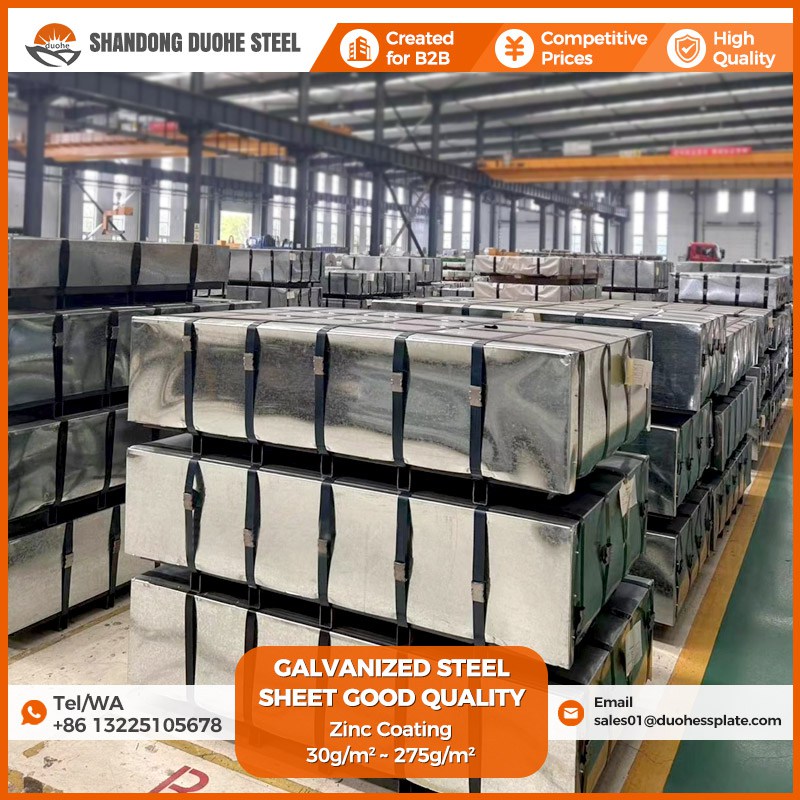
| Zinc coating mass | Z60 – Z600 g/m² (common Z120, Z180, Z275) | Higher values for corrosive environments; specify as g/m² total (both sides) or per side per standard |
| Paint system | Primer + Topcoat (single or multi‑layer) | Common resins: polyester (PE), siliconized polyester (SPE), PVDF (PVF2), SMP (silicone modified polyester) |
| Coating thickness (total) | 10 – 35 μm (typical: 15–25 μm) | Thicker systems (e.g., PVDF) improve weathering/UV resistance; specify primer/topcoat thickness individually |
| Color & finish | RAL/Custom colors; gloss: matt (10–25 GU), semi‑gloss, high gloss (60+ GU) | Request color samples (PPGIs card) and ΔE tolerance for matching |
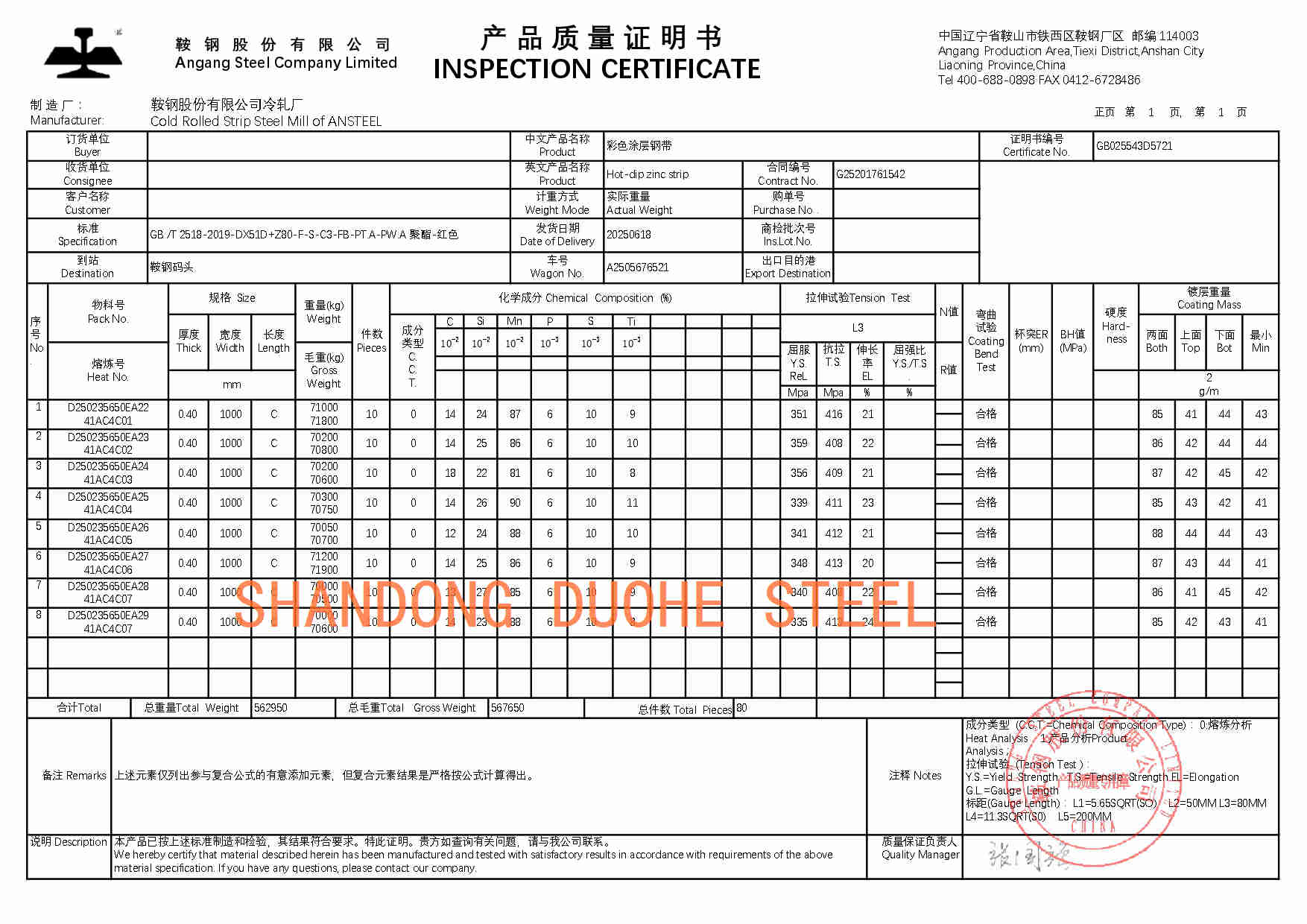
Mill Test Certificate (MTC) is available for each batch
Paint Coating Systems & Durability Classification
| Paint Type | Durability Class | Key Characteristics | Typical Application |
| Polyester (PE) | Class 1–2 | Good formability and color retention; economical choice | General construction, roofing, interior applications |
| Silicon Modified Polyester (SMP) | Class 2 | Enhanced durability and chalk resistance compared to PE | Architectural cladding, industrial buildings. |
| High Durability Polyester (HDP) | Class 2–3 | Superior UV resistance and color retention | Premium construction, coastal environments . |
| Polyvinylidene Fluoride (PVDF) | Class 3 | Exceptional weather resistance; excellent color and gloss retention (80%+ for decades); | High-end architectural, landmark buildings, marine environments . |
| Polyurethane (PU) | Class 2–3 | Good chemical resistance; flexibility | Industrial applications, appliances |
Durability Class definitions:
Class 1: 200 hours salt spray resistance (one-coat systems)
Class 2: 500 hours salt spray resistance (two-coat systems)
Class 3: 2000+ hours salt spray resistance; 1500+ hours accelerated weathering (premium multi-coat systems)
Common Applications (buyer‑centered)
Building envelopes: roofing sheets, wall cladding, gutters and flashings—color consistency and weatherability are critical.
Architectural façades & metal panels: require accurate color match, gloss level and formability for multiply panels.
Appliances & white goods: interior/exterior panels where smooth finish and consistent color are required.
HVAC ducts & components: often need specific coil sizes and coatings for corrosion control and appearance.
Automotive/transport components (non‑structural): trim, liners and decorative panels.
Furniture & shelving: consistent coating and formability for retail and industrial furniture.
Signage & roll‑formed profiles: where vivid color and uniform coating thickness matter.
FAQ — Frequently Asked Questions (for International Buyers)
Q: What is the difference between pre‑painted galvanized (PPGI) and pre‑painted galvalume (PPGL)?
A: PPGI uses a zinc coated steel substrate (GI) while PPGL uses a Zn‑Al alloy coating (Galvalume). PPGL generally offers slightly better corrosion performance and heat reflectivity; PPGI is often preferred where classic zinc sacrificial protection and lower cost are priorities. Specify substrate depending on corrosion exposure and thermal requirements.
Q: How do I specify color and ensure color consistency across lots?
A: Provide an exact RAL/BS/Custom color with a master sample. Request ΔE tolerances (e.g., ΔE < 2) and gloss unit specifications. Ask the supplier to retain the master batch and provide spectrophotometer readings for each coil batch.
Q: Which paint system should I choose for exterior roofing versus indoor appliance panels?
A: For long‑term exterior use (roofing/façade), PVDF (70% PVDF) offers the best weatherability and color retention. For indoor appliances, polyester or siliconized polyester (SMP) is often adequate and more cost‑effective. Balance performance with budget and expected service life.
Q: What zinc coating mass should I request for coastal or industrial environments?
A: In severe coastal/industrial areas, specify higher zinc mass like Z275 or above; for moderate exposures Z120–Z180 is common. Pair higher zinc mass with appropriate paint system for best longevity.
Q: How do you measure coating thickness and quality?
A: Zinc coating mass is usually given in g/m² per standards (EN/ASTM). Organic coating thickness is measured in micrometers (μm) using non‑destructive gauges. Adhesion (cross‑cut), bend/mandrel tests and salt spray/QUV tests measure durability.
Contact our sales team today for a quotation or to discuss your project requirements. We are committed to providing high-quality PPGI that meet your exact specifications and delivery deadlines.
Your trusted partner in Color-coated galvanized coils solutions.For further technical information, pricing, or customization, please contact our sales team:
Tel/WA/Wechat: +86 13225105678
Email: sales01@duohessplate.com
Previous:PPGI-Custom Surface Patterns
Next:no more
Leave a Message
Your voice matters! Whether you have a brilliant idea, valuable feedback, a pressing question about our products or services, or simply want to say hello – we genuinely want to hear from you.