 Home
Home About Us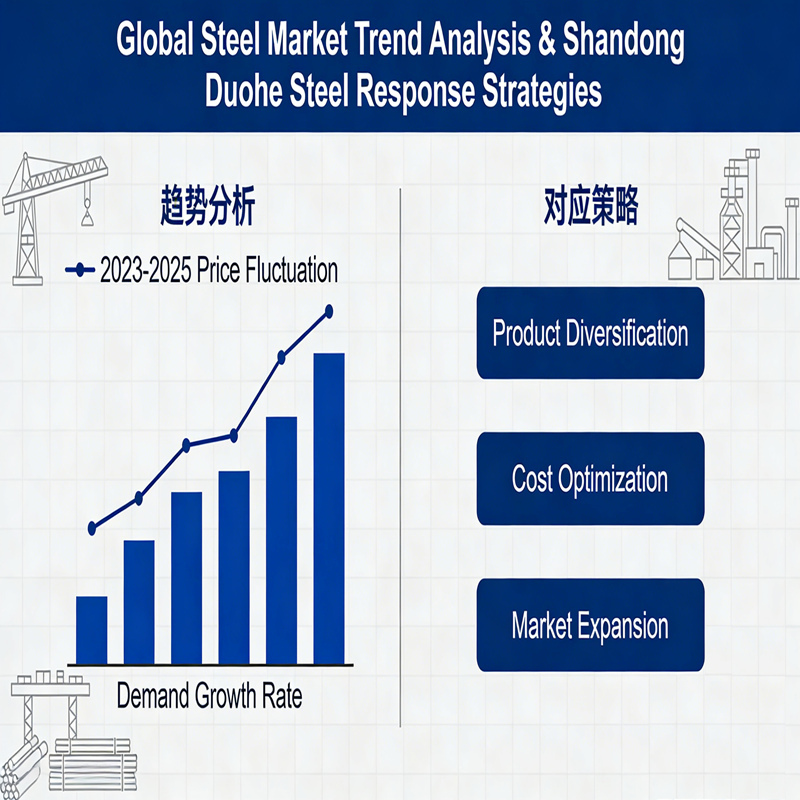
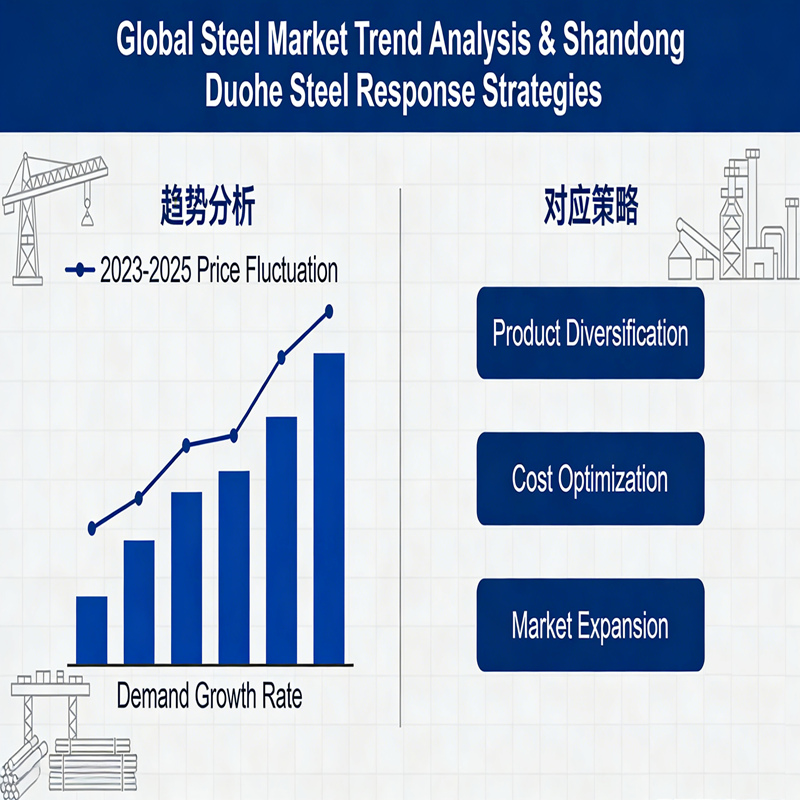
International Steel Market Trend Analysis and SHANDONG DUOHE STEEL Response Strategy
 1. Overview of the Current International Steel Market
Against the backdrop of a slow global economic recovery, the international steel market is undergoing profound structural changes, with supply-demand imbalances, raw material price volatility, trade protectionism, and low-carbon transformation becoming the core themes of the industry.
1.1 Demand: Structural Divergence and Emerging Market Momentum
Global steel demand is showing a two-tiered pattern:
Developed economies: Demand remains weak overall, with the construction sector (especially real estate) in a downward cycle, while manufacturing sectors such as automotive, machinery, and new energy have become the main drivers of incremental demand. For example, the demand for high-strength automotive steel and new energy steel in Europe and the United States continues to grow, driven by the electrification of transportation.
Developing economies (excluding China): Led by India, ASEAN, and MENA countries, steel demand maintains strong growth (projected 3.4% in 2025 and 4.7% in 2026). Infrastructure construction, industrialization, and urbanization have become the core driving forces, with India's steel demand expected to grow at around 9% in 2025.
China: Domestic steel demand continues to decelerate (down 2.0% in 2025), but high-end manufacturing and export markets provide partial support, and the demand for high-value-added steel products is gradually expanding.
1.2 Supply and Cost: Capacity Constraints and Raw Material Volatility
Supply side: Global steel production is constrained by capacity control, environmental regulations, and carbon reduction policies. China's crude steel output remains stable under capacity replacement policies, while European and U.S. steel mills face production pressure from high energy costs and carbon emission restrictions, leading to a decline in operating rates.
Cost side: Iron ore and coking coal prices fluctuate sharply due to geopolitical risks and supply chain disruptions, squeezing the profit margins of steel enterprises. At the same time, the cost of green transformation (such as hydrogen steelmaking and carbon capture technology) is gradually rising, further increasing the cost pressure on enterprises.
1.3 Trade and Environment: Rising Barriers and Low-Carbon Pressure
Trade frictions: Anti-dumping and countervailing measures against Chinese steel products are intensifying in major markets such as the EU, the United States, and Southeast Asia, which has significantly limited the export space of Chinese steel enterprises.
Environmental constraints: The EU's Carbon Border Adjustment Mechanism (CBAM) and global decarbonization goals have forced steel enterprises to accelerate green transformation. Enterprises that fail to meet carbon emission standards will face higher tariffs and market access barriers, which has become a key challenge for the international development of steel enterprises.
2. Challenges Faced by SHANDONG DUOHE STEEL
As a key steel enterprise rooted in Shandong, SHANDONG DUOHE STEEL is facing multiple challenges in the changing international market:
Product structure limitations: Over-reliance on traditional steel products (such as construction steel) leads to intense market competition and low profit margins, while the layout of high-end special steel and new energy steel products is insufficient, making it difficult to meet the demand of high-end manufacturing.
Cost pressure: Fluctuating raw material prices and high energy consumption increase production costs, weakening the price competitiveness of products in the international market.
Market concentration risk: Over-dependence on a few regional markets exposes the company to the impact of trade policy changes and regional economic volatility, and the ability to resist market risks is weak.
Green transformation pressure: Insufficient investment in low-carbon production technologies and carbon accounting systems may lead to barriers in accessing high-standard international markets such as the EU, affecting the sustainable development of the enterprise.
3. Response Strategies for SHANDONG DUOHE STEEL
To cope with the above challenges and seize market opportunities, SHANDONG DUOHE STEEL should formulate the following targeted strategies:
3.1 Optimize Product Structure: High-End and Diversified Development
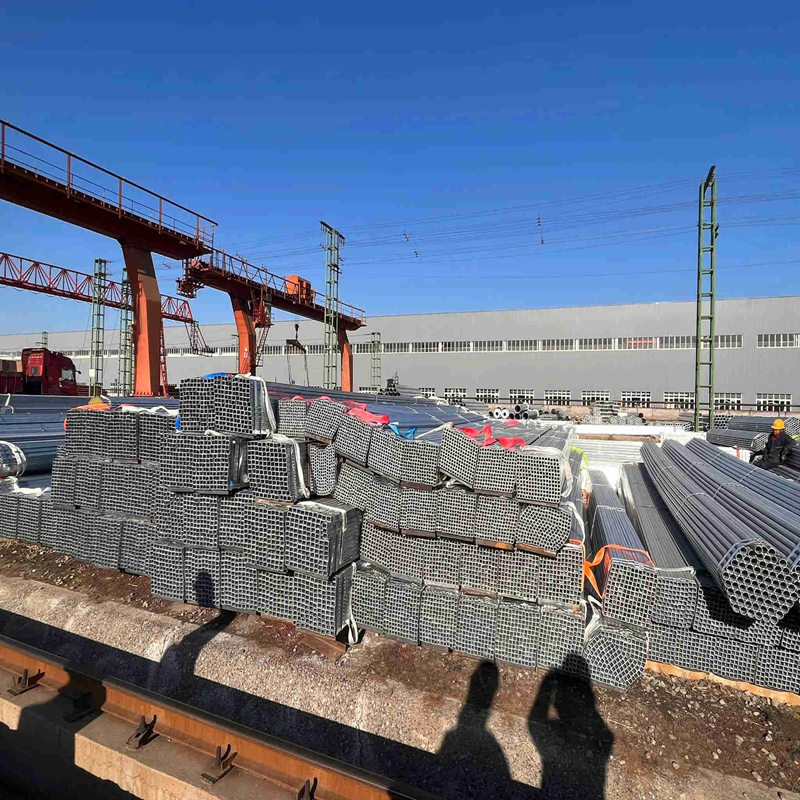
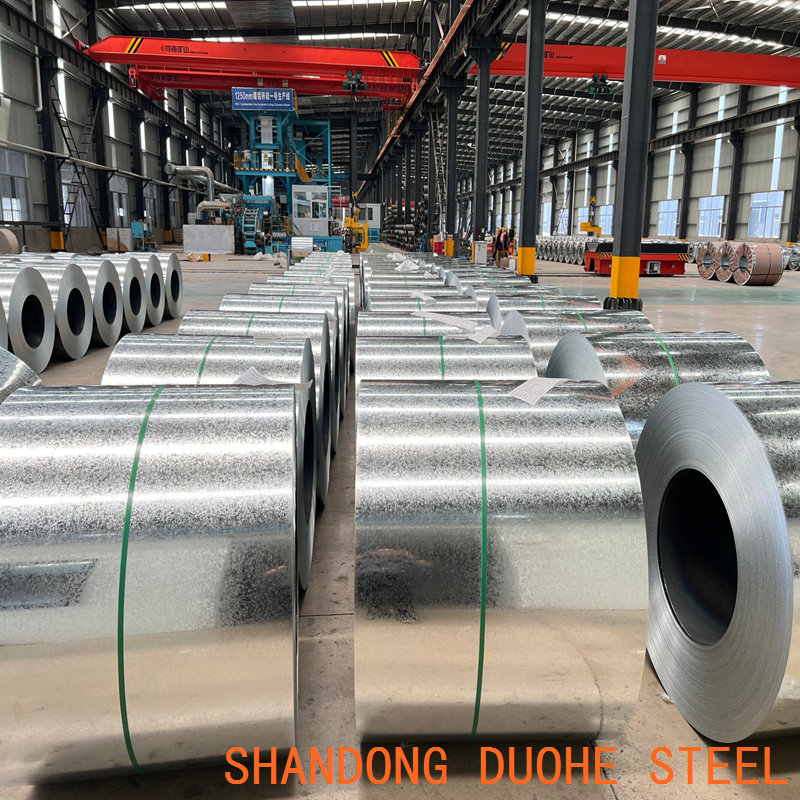
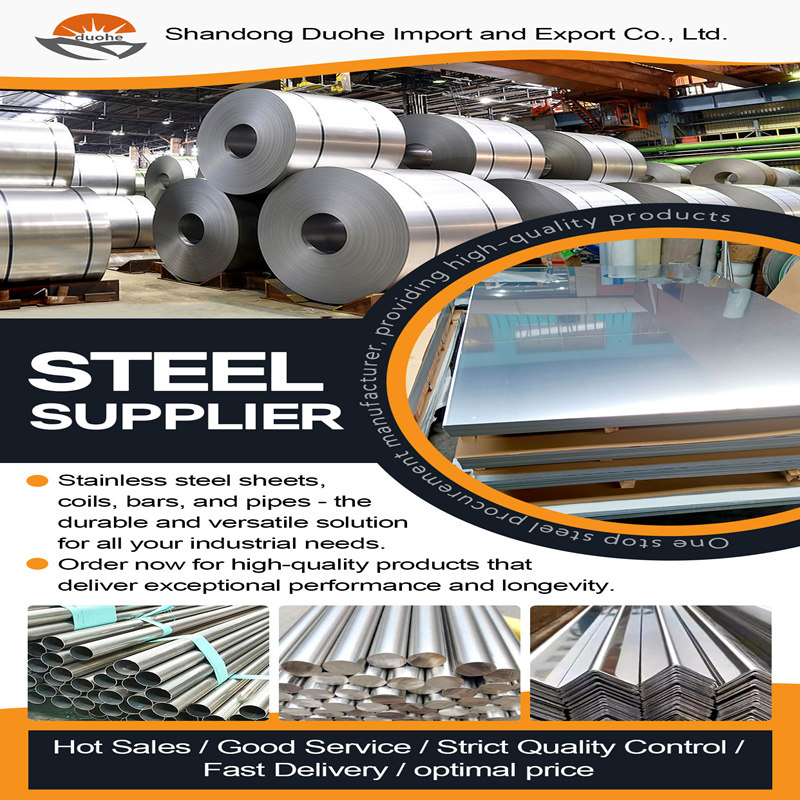
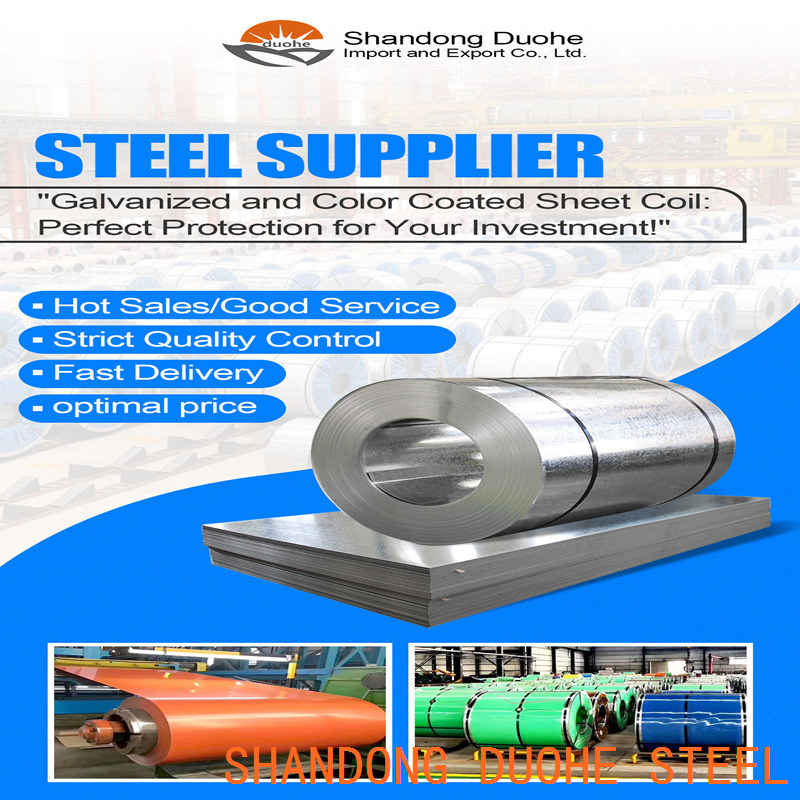
Expand high-value-added products: Increase R&D and production of galvanized steel, stainless steel, and alloy structural steel for automotive, new energy, and precision machinery industries, and actively expand the high-end market share.
Develop green steel products: Launch low-carbon steel, recycled steel, and high-strength lightweight steel to meet the requirements of EU CBAM and global decarbonization, and enhance the competitiveness of products in environmentally sensitive markets.
3.2 Strengthen Cost Control and Efficiency Improvement
Raw material risk hedging: Establish long-term stable supply contracts with iron ore and coking coal suppliers, and use financial derivatives to hedge the risk of raw material price fluctuations, ensuring the stability of production costs.
Energy conservation and emission reduction: Upgrade production equipment, adopt energy-saving technologies such as hydrogen steelmaking and waste heat recovery, reduce unit energy consumption and carbon emissions, and lower production costs while meeting environmental protection requirements.
3.3 Diversify Market Layout and Reduce Risks
Expand emerging markets: Increase export efforts to emerging markets such as India, ASEAN, and MENA, reduce reliance on traditional markets such as the EU and the United States, and disperse market risks.
Develop domestic high-end customers: Strengthen cooperation with domestic high-end manufacturing enterprises (such as new energy vehicles and precision machinery), and expand the domestic high-end market share.
Build localized service capabilities: Set up overseas warehouses and distribution centers to improve logistics efficiency and after-sales service, and enhance customer stickiness.
3.4 Accelerate Green Transformation and Technological Innovation
Invest in low-carbon technologies: Accelerate the application of hydrogen-based direct reduction, electric arc furnace (EAF) steelmaking, and carbon capture, utilization, and storage (CCUS) technologies to reduce carbon intensity and meet international carbon emission standards.
Establish a carbon management system: Build a full-chain carbon accounting system to meet international carbon disclosure requirements, and obtain green product certifications to break through market access barriers.
3.5 Enhance International Cooperation and Brand Building
Strengthen industry cooperation: Collaborate with international steel enterprises, research institutions, and downstream customers to jointly develop new technologies and products, and participate in the formulation of international steel standards to enhance the right to speak in the industry.
Expand brand influence: Participate in international industry exhibitions (such as Metal + Metallurgy China and Tube & Pipe China) and promote the "Duohe Steel" brand through digital marketing, improving global visibility and reputation.
4. Conclusion
The international steel market is in a period of profound transformation, with both severe challenges and important development opportunities. SHANDONG DUOHE STEEL should accurately grasp the market trend, take product structure optimization, cost control, market diversification, and green transformation as the core, and actively respond to the challenges of trade frictions and environmental constraints. By implementing the above strategies, the company can maintain its competitive advantage in the global steel market, achieve sustainable and high-quality development, and become a leading enterprise in the international steel industry.
Previous:SHANDONG DUOHE STEEL Signs Strategic Cooperation with Middle East Distributor
Next:7 Common Steel Trade Scams Every Buyer Should Know: Have You Fallen for Any of Them?